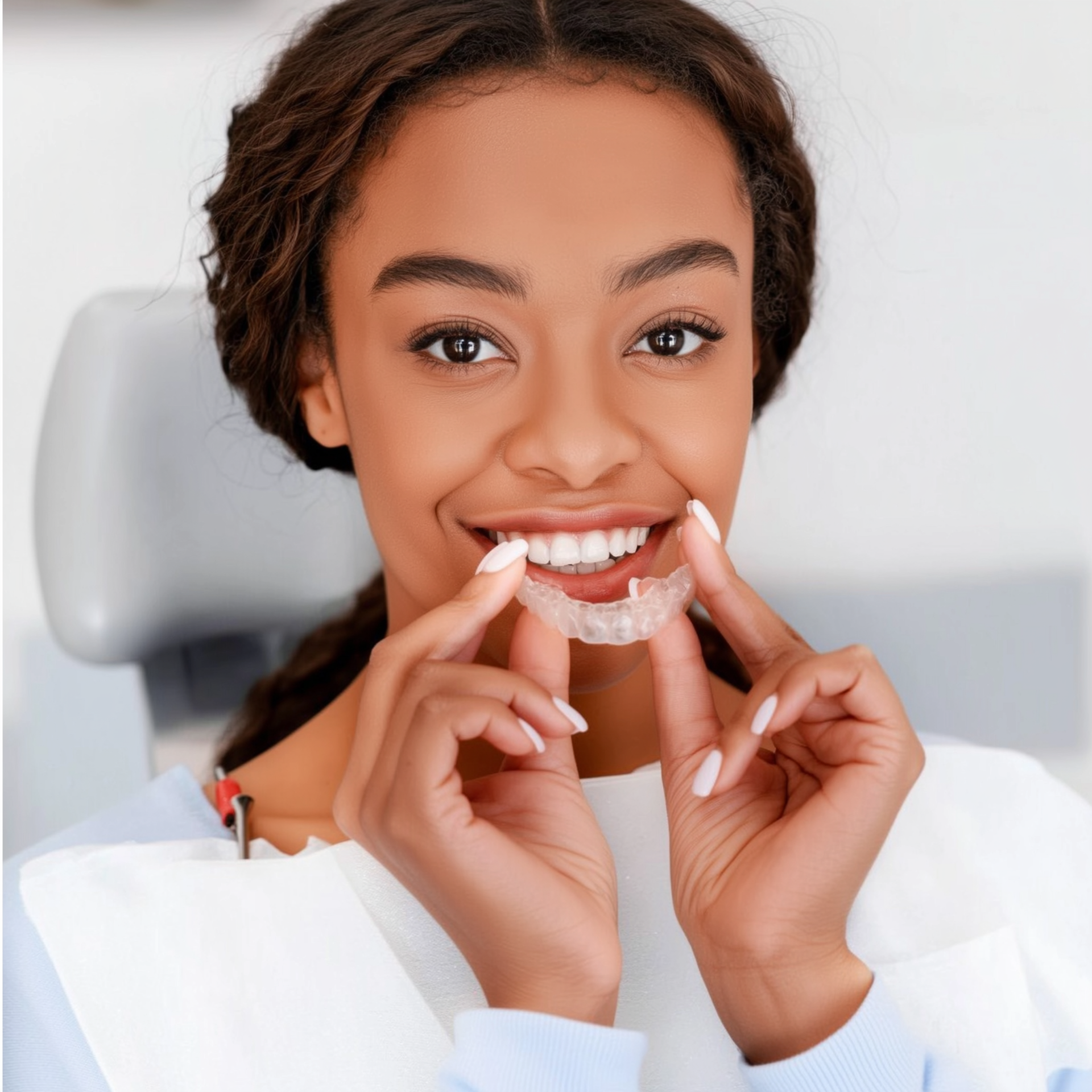
Ceramic Vs. Traditional Braces At Brown Family Orthodontics

Which Braces Option Is Right For Your Smile And Lifestyle?


Table Of Contents

Introduction

Meet Our Doctors

What Ceramic Braces Are

What Traditional Braces Are

Appearance Differences

Durability And Everyday Wear

Comfort And Lifestyle Considerations

Which Braces Option Works Best?

Teen Braces, Adult Braces, And Real-Life Preferences

Questions To Ask During Your Consultation

Our Top Picks For Choosing Between Clear Braces And Metal Braces

Why Families Choose Brown Family Orthodontics

Conclusion

Frequently Asked Questions

Introduction

Choosing braces is a big step, and one of the most common questions we hear is whether ceramic braces or traditional metal braces are the better fit. The truth is that both can create excellent results. The right choice depends on what matters most to you, including appearance, durability, lifestyle, and the kind of tooth movement your smile needs. At Brown Family Orthodontics, we offer both traditional metal braces and clear ceramic braces, and we build every treatment plan around the patient in front of us, not a one-size-fits-all formula.


When people search for braces types, clear braces, metal braces, or even "invisible braces," they are often really asking a more personal question: which option will help me feel confident and get me the smile I want? For some patients, the answer comes down to having a more subtle look during treatment. For others, it is about choosing the strongest, simplest option for everyday life. The American Dental Association (ADA) explains that braces and orthodontic treatment are used to correct bad bites, crowded teeth, crooked teeth, and jaw alignment issues, which is one reason the best appliance is the one that fits both your smile goals and your clinical needs.


At Brown Family Orthodontics, we are proud to serve families across Chalmette, Mandeville, Metairie, Marrero, Madisonville, Ocean Springs, and Pascagoula with over 50 years of family-owned orthodontic care. Led by Dr. Jessica Ulmer and Dr. Ed Brown III, we offer braces, Invisalign, and Spark Clear Aligners, all with the goal of helping you move toward a smile you truly love.


Meet Our Doctors

At the center of our care are Dr. Jessica Ulmer (Dr. Jess) and Dr. Ed Brown III (Dr. Ed). Together, we carry forward a long-standing family orthodontic legacy while giving patients access to modern treatment options and a personalized smile experience. Our team serves patients throughout South Louisiana and the Mississippi Gulf Coast, and we work hard to make every consultation feel clear, comfortable, and encouraging.


We also know that choosing braces is not just a clinical decision. It is a personal one. Some patients care deeply about how braces will look in school photos, at work, or during major milestones. Others are more focused on efficiency, simplicity, and durability. That is why we take time to talk through the differences honestly, rather than assuming the same answer works for everyone. Our job is to help you choose the treatment path that fits your smile and your life.


What Ceramic Braces Are

Ceramic braces, often called clear braces, work much like traditional braces. The biggest difference is the look of the brackets. Instead of highly visible metal, ceramic braces use tooth-colored or clear-looking materials that blend in more naturally with the smile. The American Association of Orthodontists (AAO) explains that ceramic braces provide a near-seamless look by blending with your teeth using tooth-colored or clear brackets or wires, and Cleveland Clinic notes that they can correct the same orthodontic issues as metal braces while being less noticeable.


At Brown Family Orthodontics, we offer clear ceramic braces for patients who want a more discreet treatment experience without giving up the control and consistency of fixed braces. They are especially popular with older teens and adults, but they can also be a great fit for younger patients who really want a lower-profile look during treatment.


Ceramic braces can be an excellent choice if you want:

  • A less noticeable fixed appliance
  • A smile that looks more natural during treatment
  • The consistency of braces instead of removable aligners
  • A treatment option that balances aesthetics and control


We usually remind patients that ceramic braces are better described as less noticeable, not invisible. They still work like braces, and people can still see them, but they tend to blend in much more softly than metal brackets do. That difference matters to many patients.


What Traditional Braces Are

Traditional braces use metal brackets and wires to move teeth gradually into healthier alignment. They have been a trusted orthodontic tool for generations because they are strong, efficient, and versatile. The ADA explains that braces are used to correct bad bites and alignment issues, while the AAO notes that braces can support oral hygiene, speech, and comfort with eating in addition to improving appearance.


At Brown Family Orthodontics, we offer traditional metal braces for patients of all ages seeking a dependable, effective treatment option. Metal braces remain one of the most popular choices in orthodontics because they can handle a wide range of tooth movements and bite corrections with excellent predictability.


Traditional braces are often a strong fit for:

  • Patients who want a durable fixed option
  • Kids and teens who may be less careful with appliances
  • Patients with more complex bite or alignment needs
  • Anyone who wants a straightforward and proven approach


They may be more visible, but visibility is not always a drawback. Some patients enjoy the classic braces look and even like choosing fun elastic colors along the way. For others, the strength and simplicity of metal braces outweigh the cosmetic difference.


Appearance Differences

If appearance is the main factor you are thinking about, ceramic braces usually have the advantage. Because they use tooth-colored or clear-looking materials, they tend to blend in more naturally with the teeth. The AAO specifically notes that patients often choose ceramic braces when they want less noticeable treatment than traditional metal braces, and Cleveland Clinic echoes that clear braces are less obvious because they are made with tooth-colored materials.

That can matter a lot in everyday life. A more subtle look may help you feel more confident at work, at school, in social settings, at church, during family pictures, or at special events. If having a smile with clear braces feels like it would make treatment easier to say yes to, that is a valid factor to weigh.


That said, traditional braces are not a bad look. Many patients do not mind them at all, and some genuinely prefer the straightforward look of metal braces. The best appearance choice comes down to what will help you feel most confident and comfortable for the length of treatment. It is not about what is most popular. It is about what fits you.


Durability And Everyday Wear

Durability is one of the biggest reasons traditional metal braces remain so popular. Cleveland Clinic notes that ceramic braces are generally more fragile than metal braces and more likely to chip or break. That does not mean ceramic braces are weak or ineffective. It means they usually require a little more care in everyday life.


For some patients, that matters a lot. If you are active, rough on appliances, or simply want the least fussy option, metal braces may be the smarter fit. They tend to be especially appealing for younger patients or anyone who wants a strong, low-drama treatment experience. There is something reassuring about choosing the appliance that is known for toughness and reliability.


Ceramic braces can still work beautifully in everyday life, but they often reward patients who are willing to be a little more careful. If you know you are good about following instructions and being mindful with foods and appliance care, ceramic braces may still be an excellent choice. This is one reason we always encourage patients to think about their real habits, not their ideal habits. A beautiful result is important, but so is choosing an option you can live with comfortably and successfully.


Comfort And Lifestyle Considerations

Patients often ask whether ceramic braces are more comfortable than metal braces. In practice, both appliances move teeth by applying steady pressure, so both can create soreness when treatment begins or after adjustments. The type of movement your smile needs often matters more than the bracket color. In other words, comfort is usually shaped by the treatment plan, the way your mouth adapts, and how well you follow care instructions, not just by whether the brackets are ceramic or metal.


Lifestyle, on the other hand, often becomes the deciding factor. Ask yourself:

  • Do we care a lot about how visible braces will be?
  • Do we want the most durable option possible?
  • Are we likely to be careful with foods and appliances?
  • Will a more subtle look make us feel more confident?
  • Do we prefer the simplest possible treatment experience?


These questions may seem small, but they usually reveal a lot. If you know that seeing metal brackets every day will bother you, ceramic braces may be worth serious consideration. If you know you would rather choose the strongest, most straightforward path and not think too much about the appearance, traditional braces may feel like the easier choice. Either answer can be the right one.


Which Braces Option Works Best?

There is no single braces type that works best for everyone. The best option depends on your bite, your smile goals, your daily routine, and the kind of movement your orthodontic case requires. Both ceramic and traditional braces can be excellent. The goal is not to chase the trendiest option. The goal is to choose the appliance that gives your smile the healthiest and most predictable path forward.


Ceramic braces may be a strong fit if:

  • You want a more discreet look
  • Appearance is a major priority
  • You are comfortable being careful with appliance care
  • Your case is a strong clinical fit for ceramic brackets


Traditional braces may be a strong fit if:

  • Durability matters most
  • You want the simplest fixed option
  • You have a more complex case
  • You do not mind more visible brackets
  • You want something highly dependable and versatile


At Brown Family Orthodontics, we help patients compare both options during a consultation so the decision feels clear and personal. We never want you choosing braces based on a guess or a trend. We want you choosing based on what will actually work best for your smile and lifestyle.


Teen Braces, Adult Braces, And Real-Life Preferences

One of the best things about modern orthodontics is that braces are no longer just for one type of patient. We treat children, teens, and adults, and the right choice often changes based on the stage of life you are in. The AAO notes that adults make up a significant and growing part of orthodontic treatment, which makes sense because smile goals, work life, and lifestyle preferences can all shape what kind of appliance feels like the best fit.


For teens, clear braces can be especially appealing when appearance matters a lot, but metal braces are still a fantastic choice when durability and simplicity are the bigger priorities. Some teens love the more subtle look of ceramic braces. Others genuinely like the classic braces experience and do not mind showing them off.


For adults, ceramic braces often stand out because they offer fixed treatment with a lower-profile look. That said, some adults still prefer metal braces because they care more about toughness and predictability than about blending in. There is no universally adult answer. There is only the option that makes the most sense for your smile goals and your life.


Questions To Ask During Your Consultation

If you are trying to decide between clear braces and metal braces, these are some of the best questions to bring into your visit:

  • Are ceramic braces a good option for my case?
  • Would traditional braces be better for the kind of movement I need?
  • How noticeable will each option be on my smile?
  • Will one option fit my routine better than the other?
  • How do braces compare with Invisalign or Spark for my smile?
  • Which option gives us the most predictable result?
  • What would you recommend if this were your own smile?


A great consultation should give you more than a list of options. It should give you confidence. We want you to leave understanding not just what the options are, but why one may be a better fit than another.


Our Top Picks For Choosing Between Clear Braces And Metal Braces

If you are comparing ceramic braces and traditional braces, these are our top picks for making a smart decision:

  • Prioritize the needs of your smile first
  • Be honest about how much appearance matters to you
  • Think about your everyday habits, not just your ideal habits
  • Ask which option is the best clinical fit for your bite
  • Choose the appliance you will feel confident wearing consistently
  • Let the consultation guide the decision, not social media alone


The best braces choice usually happens when we balance aesthetics, durability, and practicality instead of focusing too heavily on only one factor.


Why Families Choose Brown Family Orthodontics

Families choose Brown Family Orthodontics because we combine experienced, family-owned orthodontic care with modern treatment options and a warm, community-focused approach. With Dr. Jessica Ulmer, Dr. Ed Brown III, seven locations, flexible payment options, and treatment choices that include braces, Invisalign, and Spark Clear Aligners, we are here to help you move toward a smile that feels confident and lasting.


We also know convenience matters. When orthodontic care is easier to access and easier to understand, it becomes much easier to say yes to the next step. That is why we work so hard to make every phase of the process feel personal, practical, and encouraging.


Conclusion

Ceramic braces and traditional braces can both create beautiful, healthy results. Ceramic braces often win on subtle appearance. Traditional braces often win on strength and simplicity. The right choice depends on what matters most to you and what your smile truly needs. The good news is that you do not have to figure that out on your own. With the right consultation, we can help you choose a path that fits your smile goals, your lifestyle, and your long-term oral health.

We would love to help you compare your options and move forward with confidence. Whether you are thinking about clear braces, metal braces, teen braces, or adult braces, we are here to help you build a smile you are proud to show off.


Frequently Asked Questions

Are ceramic braces better than traditional braces?

Not automatically. Ceramic braces are often better for patients who want a more discreet look, while traditional braces are often better for patients who want maximum durability and simplicity. The best choice depends on your smile, your bite, and your lifestyle.


Do clear braces work as well as metal braces?

In many cases, yes. Cleveland Clinic explains that clear braces can correct the same kinds of orthodontic issues as metal braces.


Are metal braces more durable than ceramic braces?

In general, yes. Cleveland Clinic notes that ceramic braces are typically more fragile than metal braces and may be more likely to break.


Are ceramic braces good for teens?

They can be a great option for teens who want a more discreet braces look and are willing to be careful with appliance care. For other teens, traditional braces may be the better fit.

Which braces option is best for adults?

Many adults prefer ceramic braces because they blend in more naturally, but metal braces can still be an excellent option depending on the case and the patient’s priorities. The AAO notes that adult orthodontic treatment is very common today.


Are braces only for kids and teens?

No. The American Dental Association explains that orthodontic treatment is designed to create a healthy bite, and the AAO notes that many adults pursue orthodontic treatment as well.

Ready For Your Beautiful, Confident Smile?

Your first appointment is on us!

Two men smiling, standing near a shelf with towels. One man wears a white shirt, the other a gray shirt.
February 12, 2026
Understanding The Specialized Care Behind Braces, Aligners, And Healthy Smiles Table of Contents Introduction Meet The Doctors Dentist Vs Orthodontist: The Simple Explanation Why Orthodontists Are Specialists In Tooth Alignment And Jaw Correction What Dentists And Orthodontists Each Do Best Can I Get Invisalign At A Dentist Why Specialist Care Matters For Bite Problems And Complex Smiles What To Expect When We Evaluate Your Smile Our Top Picks: Questions To Ask Before Starting Treatment Pro Tips For Choosing The Right Provider Patient Spotlight Why Choose Brown Family Orthodontics Conclusion Frequently Asked Questions Introduction If you are researching braces or clear aligners , you have probably asked the same question we hear every week: "Should I get orthodontic treatment at my dentist, or should I see an orthodontist?" It is a fair question, and the answer matters because orthodontic treatment is not just cosmetic. It is medical tooth movement that affects your bite, your jaw position, your long-term oral health, and the stability of your results. At Brown Family Orthodontics, we are proud to provide specialist orthodontic care that has earned the trust of families for over 50 years. Our doctors, Dr. Jessica Ulmer (Dr. Jess) and Dr. Ed Brown III (Dr. Ed) , lead our team across seven locations in Mississippi and Louisiana: Chalmette, Mandeville, Metairie, Marrero, Madisonville, Ocean Springs, and Pascagoula. With 5-star ratings and 150+ reviews, our focus is simple: deliver confident smiles with expert diagnosis, clear options, and results built to last. In this guide, we are breaking down the real difference between a dentist and an orthodontist, when each provider is the right fit, and how specialist care can make all the difference in your braces or aligners results. Straight Teeth Are Only Part Of The Goal A great orthodontic result is not only straight teeth. It is a healthy bite, stable jaw function, and a smile that feels as good as it looks. Meet The Doctors Brown Family Orthodontics is led by Dr. Jessica Ulmer (Dr. Jess) and Dr. Ed Brown III (Dr. Ed). Our practice is built on a family-owned legacy of care, and we combine that experience with modern technology and treatment options. We treat patients of all ages with: Braces Invisalign® Spark Aligners Whether you are looking for braces for your teen, clear aligners for yourself, or guidance on bite correction and jaw alignment, we will help you understand your best path forward. Dentist Vs Orthodontist: The Clear Explanation Here is the clearest way to explain it: A dentist focuses on overall oral health, including prevention, cleanings, fillings, crowns, and gum care. An orthodontist is a dentist who completes additional specialty training focused on orthodontic treatment, including tooth alignment, bite correction, and jaw relationships. Both play important roles. The difference is specialization. Orthodontic treatment involves managing precise forces over time. That requires specialized diagnosis, planning, and monitoring to achieve a stable finish. Why Orthodontists Are Specialists In Tooth Alignment And Jaw Correction General dentists complete dental school and earn a DDS or DMD degree. Orthodontists also earn a DDS or DMD, then complete an additional 2 to 3 years of full-time orthodontic residency training focused specifically on tooth movement, bite alignment, and jaw relationships. Many orthodontic programs also include advanced research and may award an additional graduate degree, depending on the program. That extra training matters because orthodontics is not only about moving teeth into a straighter position. It is about how teeth fit together, how the bite functions, and how to guide changes safely and predictably. What That Specialty Training Helps Us Do Diagnose bite problems that are easy to miss Plan tooth movement that protects enamel, roots, and gum health Correct jaw-related bite issues that can affect comfort and stability Anticipate finishing details that determine whether results feel "right" when you chew and speak Adjust treatment when your teeth move differently than expected This is why specialist care is the best choice when you want both beautiful results and long-term oral health support. What Dentists And Orthodontists Each Do Best Dentists and orthodontists work best as a team. Many of our patients see their general dentist for routine oral health and see us for orthodontic treatment. That partnership supports great outcomes. What A Dentist Does Best Preventive care, like cleanings and routine exams Cavity treatment and fillings Crowns, bridges, and restorative dentistry Gum health monitoring and referrals when needed General oral health guidance across your lifetime What An Orthodontist Does Best Tooth alignment and bite correction Jaw correction and bite relationship planning Braces for comprehensive orthodontic treatment Clear aligners, including Invisalign and Spark Aligners Managing complex cases, finishing details, and stability planning Retention strategies to protect your results long-term If your goal involves tooth alignment, jaw correction, or bite changes, that is orthodontic treatment. Specialist care is built for that. Can I Get Invisalign At A Dentist Yes, some dentists offer Invisalign or other clear trays. For some very mild cases, that can work. However, Invisalign and clear aligners are tools. The quality of the outcome depends on diagnosis, planning, and monitoring. Some smiles that look simple at first glance are not simple once we evaluate the bite, jaw relationship, and movement needed to finish well. When Clear Aligners May Be Straightforward Mild spacing with a stable bite Minor crowding with limited tooth movement Cosmetic adjustments without bite correction needs When Specialist Orthodontic Care Is Often The Better Fit Bite issues like overbites, underbites, open bites, deep bites, or crossbites Crowding that requires careful staging and space management Cases that need attachments, elastics, or advanced biomechanics Relapse after previous braces or aligners Jaw alignment concerns, chewing discomfort, or uneven wear patterns If you are asking, "Can I get Invisalign at a dentist?" the more important question is: "Do I want my orthodontic treatment planned by a specialist whose training is focused specifically on tooth movement and bite correction?" Our team helps you answer that clearly, with a plan built for the best finish, not just the fastest start. Why Specialist Care Matters For Bite Problems And Complex Smiles A straight smile that does not fit well can still cause problems. Bite function drives comfort. It also influences stability, wear patterns, and how your results hold up over time. Common Signs Your Case May Be More Than Cosmetic Your bite feels uneven, shifted, or uncomfortable You chew more on one side Your front teeth hit too hard or do not touch at all You have frequent chipping, wear, or sensitivity You have jaw tightness, popping, or fatigue when chewing Your teeth look straight, but your bite still feels "off" When bite issues are involved, orthodontic treatment focuses on jaw correction and stability, not just tooth alignment. Why This Impacts Results If we only focus on straightening teeth without addressing bite relationships, you can end up with: A smile that looks better but still feels uncomfortable Finishing issues that increase relapse risk Uneven contact that can contribute to wear over time Frustration late in treatment when details matter most Specialist care helps prevent those problems by planning the end from the beginning. What To Expect When We Evaluate Your Smile A great orthodontic plan starts with a detailed evaluation. We do not rely on a quick glance. We want to understand your alignment, your bite, and your goals. What We Evaluate Tooth alignment, including crowding, spacing, and rotations Bite relationship, including how your upper and lower teeth fit together Jaw alignment and functional movement, including any shifts when you close Wear patterns that can signal bite imbalance Your oral health foundation, including gum support and restorative considerations Your lifestyle and preferences, including braces vs aligners We use diagnostic records, such as digital scans, photos, and X-rays, to get the full picture. Then we walk you through your options in a way that feels clear and decision-friendly. What You Leave With A clear explanation of what we see Your best treatment options, including braces, Invisalign, and Spark Aligners A timeline and plan built around function and long-term stability Next steps that feel simple, doable, and exciting. Your new smile awaits! Our Top Picks: Questions To Ask Before Starting Treatment If you are comparing providers or deciding between a dentist and an orthodontist, these questions will help you make a confident choice. Top Picks Will you evaluate my bite and jaw alignment, not just my front teeth? A strong plan considers function and comfort, not only cosmetics. Is my case cosmetic, functional, or both? Bite correction often requires specialist orthodontic treatment planning. Which treatment option is best for my case: braces, Invisalign, or Spark Aligners? The best option depends on your bite needs and lifestyle. How will you handle finishing details and stability? The finish is where long-term results are protected. How often will you monitor progress and adjust the plan? Teeth move biologically. Monitoring protects outcomes. What is the retention plan after treatment? Retainers are essential for keeping your results. Social Challenge: The "Better Question" Challenge For one week, every time you think "Do I need braces or aligners?" ask this instead: "Will this plan improve my bite and keep my smile stable long-term?" That one shift in thinking leads to better decisions. Pro Tips For Choosing The Right Provider These tips help you protect your investment and improve your outcome. Pro Tips Do not choose your provider based on price alone Orthodontic treatment is a health decision, and the plan matters as much as the appliance. Ask about bite correction and jaw relationships Tooth alignment without bite correction can lead to discomfort and instability. Choose the option you can follow consistently Aligners require disciplined wear. Braces require disciplined hygiene. Consistency drives results. Look for clear communication and a plan you understand Confidence improves when you know what is happening and why. Plan for retention from the beginning A great retainer plan protects everything you worked for. Patient Spotlight One of our adult patients came in after years of hiding their smile in photos. They were considering clear aligners and assumed their case was simple. After evaluating their bite, we found that crowding was only part of the story. Their bite was uneven, which was concentrating pressure on a few teeth. We built a plan that focused on alignment and bite stability, and we discussed options openly. The patient chose a path that fit their lifestyle and their goals, and as treatment progressed, they noticed a shift that mattered most: their bite felt balanced, and smiling felt natural again. Every case is different, but the lesson remains the same. When we match the plan to the real problem, results look better and feel better. Why Choose Brown Family Orthodontics When you choose orthodontic treatment, you deserve specialist care, clear options, and a team that treats your family like our own. At Brown Family Orthodontics, we offer: Over 50 years of trusted, family-owned care Doctors you can trust, Dr. Jess and Dr. Ed Modern treatment options, including braces, Invisalign, and Spark Aligners Seven convenient locations across Mississippi and Louisiana A 5-star reputation with 150+ reviews If you are looking for orthodontic treatment that supports tooth alignment, oral health, jaw correction, and long-term stability, we would love to meet you. Conclusion Dentists and orthodontists both protect smiles, but they do it in different ways. Your general dentist is essential for long-term oral health, prevention, and routine care. An orthodontist is a specialist trained specifically to move teeth safely, correct bites, and guide jaw relationships for stable, lasting results. If you are considering braces or clear aligners such as Invisalign or Spark Aligners, the next best step is a specialist evaluation so you can make a confident choice based on your bite, goals, and long-term oral health. We would love to help you get clarity and a plan that fits. Contact Brown Family Orthodontics to schedule your consultation. We look forward to meeting you! Chalmette: 504-455-1625 Mandeville: 985-626-8297 Metairie: 504-455-1625 Marrero: 504-455-1625 Madisonville: 985-893-1044 Ocean Springs: 228-872-8153 Pascagoula: 228-762-4403 Visit us at brownfamilyortho.com . Frequently Asked Questions What is the main difference between a dentist and an orthodontist? A dentist provides comprehensive oral health care, including cleanings, fillings, and crowns. An orthodontist is a dentist who completes an additional 2 to 3 years of specialty training focused on tooth alignment, bite correction, and jaw relationships. Can a dentist do braces or clear aligners? Some dentists offer aligners, while others may offer only limited orthodontic services. The best provider for your case depends on complexity, bite goals, and whether jaw correction is needed. Is Invisalign better with an orthodontist? For many patients, yes, especially when bite correction or complex movement is involved. Orthodontists specialize in diagnosing bite issues and planning tooth movement for stable, long-term results. How do I know if my case is more complex? If your bite feels uneven, you have chewing discomfort, your teeth chip or wear unevenly, or your jaw feels tight or fatigued, your case may involve more than cosmetic straightening. What should I ask during a consultation? Ask how your bite and jaw alignment will be evaluated, what treatment options fit your case, how finishing and stability will be handled, and what the retainer plan will be after treatment. Why are retainers so important after orthodontic treatment? Teeth can shift after treatment. Retainers help maintain your new tooth alignment and protect your results in the long term.
Boy with brown hair and a big smile in a maroon shirt stands outside.
January 21, 2026
Learn how thumb sucking, nail biting, and clenching affect teeth and jaw growth - plus simple tips and tools to stop them from Brown Family Orthodontics.
Person holding a small wrapped gift, smiling. She's wearing a brown sweater, with braces.
December 23, 2025
Braces-friendly gift guide: stocking stuffers, comfort upgrades, safe snacks, and what to avoid—so treatment stays on track. Brown Family Orthodontics.
Various Thanksgiving dishes: pulled pork, mashed potatoes, cornbread, and stuffing.
November 25, 2025
Brown Family Orthodontics’ braces-friendly Thanksgiving guide: what to eat (and avoid), soft dessert ideas, aligner tips, and hygiene hacks for a worry-free holiday.
Close-up of Halloween candies in orange, pink, black, and purple wrappers, each with a jack-o'-lantern face.
October 27, 2025
What to Enjoy (and What to Avoid) This Halloween with Braces Table of Contents A Sweet Season for Smiles Meet Our Doctors The Scary Side of Sticky Sweets Braces-Friendly Candy: What's Safe to Enjoy Candy Culprits to Avoid Aligner Wearers: Treats, Tips & Tricks Smile Spotlight: Real Patients, Real Halloween Fun How to Keep Your Teeth Healthy After Halloween Why Choose Brown Family Orthodontics Conclusion Frequently Asked Questions Introduction At Brown Family Orthodontics, we believe that Halloween should be filled with fun, laughter, and just the right amount of sweetness, without any fright for your braces! Led by Dr. Ed Brown III (Dr. Ed) and Dr. Jessica Ulmer (Dr. Jess), our family-owned practice has been creating confident smiles for more than 50 years across Louisiana and Mississippi, with convenient locations in Chalmette, Mandeville, Metairie, Marrero, Madisonville, Ocean Springs, and Pascagoula. Whether you’re trick-or-treating, dressing up for a party, or simply enjoying the season, you can still have your candy and protect your smile too. In this Halloween candy guide, we’ll walk you through what’s safe to eat with braces , what to skip, and how to care for your smile afterward. Our goal is to help you enjoy every treat—without a single trick for your orthodontic treatment! A Sweet Season for Smiles Halloween is one of the most magical times of the year—costumes, laughter, and of course, candy! But if you're in orthodontic treatment, it's also a season that calls for a little extra care. At Brown Family Orthodontics, we believe you should be able to enjoy the festivities while keeping your braces (and your smile) in great shape. Whether you're a trick-or-treating kid, a teen headed to a costume party, or an adult who loves a good chocolate bar, there are plenty of safe treats to enjoy. You don't have to miss out, you just need to make smart candy choices. Our orthodontic team put together this fun Halloween guide to help you navigate the candy aisles with confidence. From what to enjoy to what to skip, we've got you covered so your smile stays healthy and your treatment stays on track. Quick Tip: Not all candy is off-limits! With a little planning, you can enjoy all the Halloween fun without any scary surprises for your braces. Meet Our Doctors Dr. Ed Brown III Dr. Ed has been creating beautiful, confident smiles for families across Louisiana and Mississippi for decades. Known for his compassionate care and family-centered values, Dr. Brown continues the legacy his father established—one built on trusted expertise, integrity, and a deep commitment to the community. Dr. Jessica Ulmer Dr. Jess carries forward that legacy with modern innovation and a heart for patient care. She brings an artistic eye and a science-driven approach to every smile she crafts, helping patients achieve results that are both functional and beautiful. Together, Dr. Brown and Dr. Jess lead our team in creating smiles that truly last a lifetime. The Scary Side of Sticky Sweets Halloween candy is delicious, but some types can be a real nightmare for braces. Sticky, chewy, or hard candies can bend wires, pop off brackets, and even delay your treatment progress. Here's why: Sticky treats (like caramel, taffy, or gummy candy) cling to brackets and can pull them loose. Hard candies (like lollipops and jawbreakers) can crack wires or damage brackets when bitten. Chewy snacks (like licorice or toffee) tug on your braces and can get stuck in hard-to-clean places. Sour candies are often coated in acid and sugar, which can weaken enamel and increase your risk of cavities. Even one broken bracket can mean an unexpected visit and a setback in your progress, but the good news is that there are still plenty of safe, tasty options! Quick Take: If it stretches, sticks, or crunches loudly, it's not braces-friendly. Braces-Friendly Candy: What's Safe to Enjoy Halloween isn't canceled for braces wearers. You need to know what to reach for in your candy stash! Here's our list of orthodontist-approved Halloween treats: Chocolates (Soft & Simple) Plain chocolate bars (Hershey's, milk chocolate, or dark chocolate) Kit Kats or soft chocolate wafers Peanut butter cups (Reese's—always a favorite!) Chocolate-covered marshmallows or mints Sweet & Soft Snacks Soft cookies or brownies Cupcakes or muffins without crunchy toppings Pudding cups or soft chocolates that melt easily Non-Sticky Candies Powdery treats like Sweet Tarts, Pixy Stix, or conversation hearts Plain M&Ms (no nuts) Marshmallow-based treats Pro Tip: Let chocolate melt in your mouth before chewing. It's safer on your braces and just as satisfying! Candy Culprits to Avoid Even though these sweets might taste amazing, they can spell trouble for your braces. Here's what to avoid this Halloween: Caramels, Toffee, and Taffy: The stickiest villains of all! Gummy Bears, Worms, and Fruit Snacks: They wedge between teeth and wires. Jawbreakers and Lollipops: One bite can mean broken brackets. Nuts and Nut-Filled Candy Bars: Crunchy and risky for braces. Chewing Gum (Even Sugar-Free): It's a tangle waiting to happen. Popcorn Balls or Candy Apples: Fun to look at, not fun for your orthodontist to fix. Quick Take: Sticky, chewy, and hard candies are the "frightening three" of Halloween when it comes to braces care. Aligner Wearers: Treats, Tips & Tricks If you're wearing Invisalign® or clear aligners , you've got more freedom, but there are still a few golden rules to keep your smile safe. Remove aligners before eating or drinking anything but water. Candy and sugary drinks can stain or warp your trays. Brush before reinserting. Never trap sugar under your aligners. It can lead to decay or cloudy trays. Avoid hot drinks. Heat can distort the fit of your aligners. Keep your aligner case handy. Napkins are the number-one reason aligners go missing at parties! Stay mindful of sugar exposure. Even without brackets, your teeth still need TLC after treats. Pro Tip: Want festive fun without the risk? Decorate your aligner case with Halloween stickers or your favorite spooky designs! Smile Spotlight: Real Patients, Real Halloween Fun At Brown Family Orthodontics, we love celebrating our patients' creativity! Each Halloween, our team sees braces wearers turn their smiles into part of their costume—proof that orthodontic treatment doesn't stop the fun. One of our patients last year dressed up as a pumpkin and chose orange and black braces bands to match. Another went as a superhero, pairing red and blue colors to match her costume. Smile Spotlight: "I thought braces would make my costume harder, but my colors actually made it cooler," shared our patient Mia, age 13. "Everyone loved it!" It's that kind of confidence that makes the journey worth it. How to Keep Your Teeth Healthy After Halloween Once the trick-or-treating ends, the real challenge begins—keeping your smile cavity-free! Here's your post-Halloween smile care checklist: Brush thoroughly: Using a soft-bristled toothbrush, brush around every bracket and wire. Floss (or use a water flosser): Get into those hard-to-reach spots where sugar hides. Rinse with fluoride mouthwash: Strengthen enamel and neutralize acids from sweet treats. Stay hydrated: Water helps wash away sugars and maintain a healthy oral environment. Schedule a check-up: If you feel something loose or uncomfortable, our team will get you back on track quickly. Quick Tip: Enjoy candy in moderation. Have a few pieces at once rather than snacking all day. It's easier on your teeth and your braces! Why Choose Brown Family Orthodontics At Brown Family Orthodontics, we believe every smile tells a story, and for over 50 years, our story has been about helping families across Louisiana and Mississippi smile with confidence. Here's what makes our practice different: Family-Owned and Trusted for Generations: Our practice has been serving the community for decades with the same values of trust, integrity, and care. Expert Care, Modern Techniques: We offer advanced braces and aligner options designed for comfort, precision, and faster results. Personalized Treatment Plans: No two smiles are alike. We tailor every plan to your needs and lifestyle. 7 Convenient Locations: Chalmette, Mandeville, Metairie, Marrero, Madisonville, Ocean Springs, and Pascagoula. 5-Star Service: With over 150 glowing Google reviews, our patients consistently describe their experience as friendly, professional, and family-like. Pro Tip: A beautiful smile is about more than straight teeth, it's about confidence that lasts a lifetime. Conclusion Halloween is meant to be sweet, and with a few smart choices, it can be braces-safe too! At Brown Family Orthodontics, we want every patient to enjoy the fun and festivities of the season without worrying about broken brackets or delayed treatment. A little awareness goes a long way toward keeping your smile on track while still satisfying your sweet tooth. Stick with soft chocolates, peanut butter cups, and other melt-in-your-mouth treats, and steer clear of sticky, chewy, or hard candies that can harm your braces. After indulging, give your teeth some extra attention. Brush thoroughly, floss carefully, and rinse with water or fluoride mouthwash to wash away sugar and protect your enamel. And remember, if something feels off with your braces or aligners after Halloween, our friendly team is always here to help. We'll fix any issues quickly so you can get back to enjoying your fall festivities with confidence. From our family to yours, we wish you a fun, safe, and smile-filled Halloween! May your costumes be creative, your candy collection plentiful, and your smile as bright as ever. Brown Family Orthodontics – Over 50 Years of Trusted, Family-Owned Care 📍 Chalmette | Mandeville | Metairie | Marrero | Madisonville | Ocean Springs | Pascagoula 📞 504-455-1625 (LA) | 985-893-1044 (Madisonville) | 228-872-8153 (Ocean Springs) | 228-762-4403 (Pascagoula) 🌐 Visit brownfamilyortho.com Frequently Asked Questions Can I still enjoy Halloween candy with braces? Yes! You just need to choose wisely. Soft chocolates, peanut butter cups, and melt-in-your-mouth treats are all safe options. What candy should I avoid with braces? Skip sticky, chewy, and hard candies, like caramels, gummies, and lollipops, as they can damage brackets and wires. Can I eat chocolate with nuts? It's best to avoid candy with nuts, since biting into them can loosen or break your brackets. What if I accidentally break a bracket on Halloween night? We’ve got you! Call our office the next day, and we'll schedule a quick repair to keep your treatment on track. Can I enjoy Halloween with Invisalign® aligners? Absolutely! Just remove your trays before eating, brush after, and pop them back in. You can even decorate your aligner case for extra Halloween spirit. How do I keep my smile healthy after candy? Brush, floss, and rinse after eating sweets. Water and fluoride mouthwash are your smile's best friends! 🎃 Smile Challenge: Show us your best Halloween look! Tag @BrownFamilyOrtho with your braces-friendly costume or spooky smile. We'll feature our favorites on our page! Brown Family Orthodontics – Smiles that Last, Confidence that Grows.
Woman with dark hair and a bright smile, wearing a blue tank top, orange background.
October 1, 2025
Open Enrollment tips to save on braces & aligners. Use insurance, FSA/HSA, and smart timing with Brown Family Orthodontics in LA & MS.
Teenage boy in football jersey with braces smiles on a field.
August 22, 2025
Active athletes can protect their smiles while playing sports! Brown Family Orthodontics shares expert tips on mouthguards, braces care, and treatment timing to keep you safe and confident on the field.
August 1, 2025
Discover how Invisalign® and Spark Clear Aligners from Brown Family Orthodontics offer comfort, convenience, and custom results. Learn the 5 key benefits of aligners and how treatment works at their 7 locations across Louisiana and Mississippi.
A man with braces on his teeth is standing with his arms crossed and smiling.
June 24, 2025
Planning a summer getaway with braces or aligners? Brown Family Orthodontics shares expert travel tips to keep your smile comfortable and on track—wherever the road takes you.
A woman wearing sunglasses and earrings is smiling in front of a blue wall.
May 21, 2025
Explore how orthodontic treatment at Brown Family Orthodontics boosts confidence, emotional wellness, and mental health—available at 7 locations in Louisiana and Mississippi.